
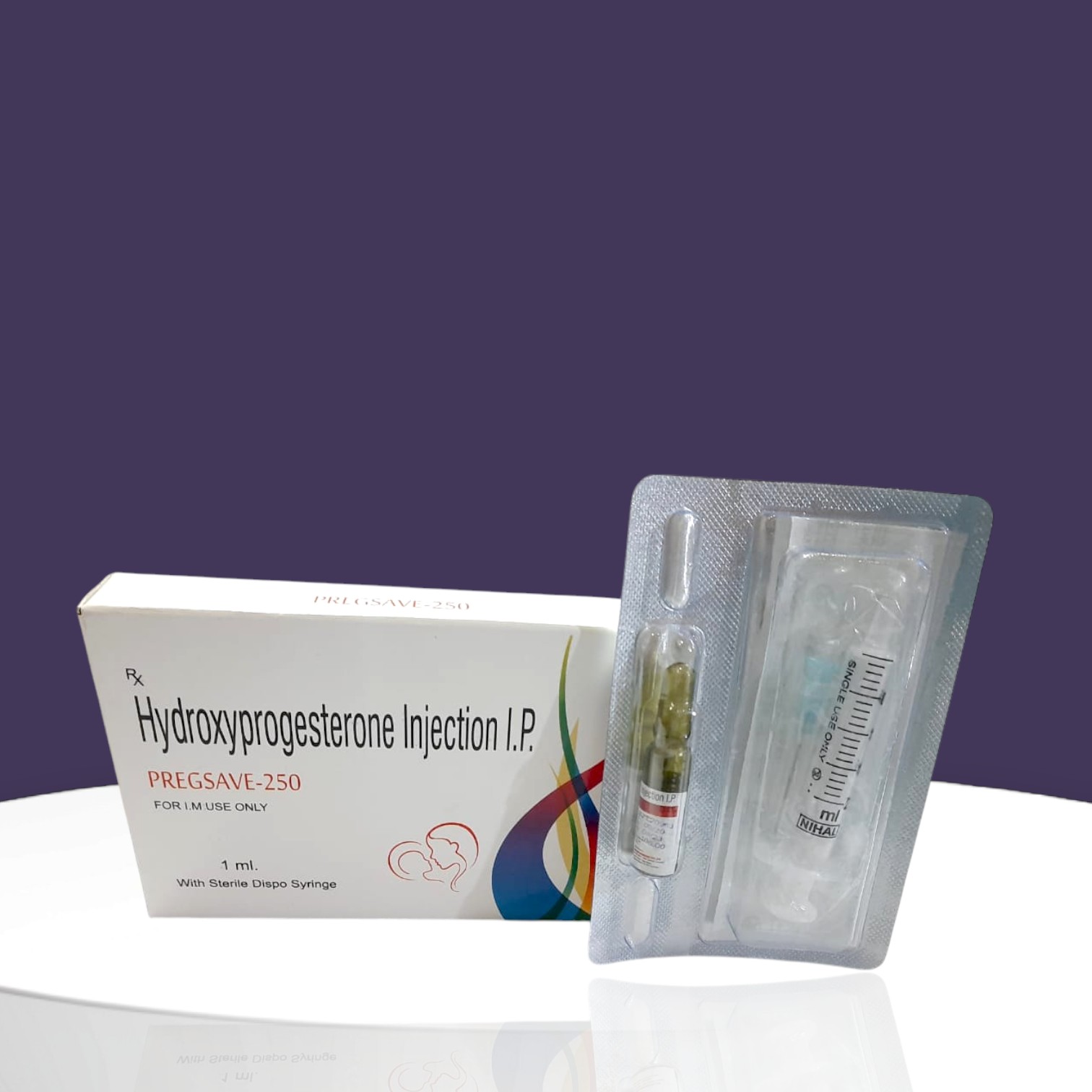
Hydroxyprogesterone Injection Manufacturing in India: Process, Quality & Compliance
Hydroxyprogesterone Injection Manufacturing in India: Process, Quality & Compliance
Hydroxyprogesterone injection has become a critical formulation in gynecological and obstetric care, especially for managing high-risk pregnancies and hormonal imbalances. With India emerging as a global hub for injectable pharmaceuticals, Hydroxyprogesterone Injection manufacturing in India is now recognized for its strong regulatory framework, advanced sterile facilities, and cost-effective scalability. This blog explains the manufacturing process, quality standards, regulatory compliance, and how third party pharma manufacturers and PCD pharma franchise models are helping brands grow faster in this competitive segment.
Growing Demand for Hydroxyprogesterone Injections in India
The increasing awareness of women’s health, rising cases of preterm birth, and broader access to gynecological treatments have significantly boosted demand for hydroxyprogesterone injections. Indian pharmaceutical companies cater not only to domestic hospitals and clinics but also to export markets across Asia, Africa, and the Middle East. This growing demand has pushed manufacturers to invest heavily in WHO-GMP compliant injectable plants, aseptic processing technology, and validated quality systems to meet both Indian and global regulatory expectations .
Hydroxyprogesterone Injection Manufacturing Process
The manufacturing of hydroxyprogesterone injections is a highly controlled and scientifically rigorous process. It begins with the procurement of pharmacopeia-grade Hydroxyprogesterone Caproate API, sourced from certified suppliers that comply with WHO-GMP and pharmacopeial standards such as USP or BP .
Once the API is approved by Quality Control, formulation development takes place in controlled environments where precise solubility, pH, and excipient compatibility are ensured. The solution is prepared using purified water or suitable solvents under aseptic conditions. This is followed by sterile filtration using validated membrane filters to remove microbial contamination.
The filtered solution is then filled into ampoules or vials using automatic aseptic filling lines housed in Class 100 cleanroom environments. Terminal sterilization or aseptic processing validation is conducted depending on formulation stability. Each batch undergoes stringent in-process checks, visual inspection, labeling, and secondary packaging before final release.
Quality Control & Assurance Standards
Quality is the backbone of injectable manufacturing. Indian manufacturers implement multi-layered quality systems that cover raw materials, in-process controls, finished product testing, and stability studies. Each batch of hydroxyprogesterone injection is tested for sterility, endotoxin levels, assay value, particulate matter, and container closure integrity.
Quality Assurance teams ensure batch manufacturing records (BMR), validation documents, and deviation reports are maintained in compliance with regulatory norms. Third party injection manufacturers in India are mandated to follows ,WHO-GMP, ISO, and DCGI guideline ensuring that every vial released is safe, effective, and traceable .
Regulatory Compliance in India
Hydroxyprogesterone injection manufacturing is regulated by the Central Drugs Standard Control Organization (CDSCO)and State Drug Authorities. Manufacturing units must hold valid drug manufacturing licenses, GMP certifications, and product approvals before commercial production.
Recent regulatory actions in India have reinforced the importance of compliance, cleanliness, and documentation across injectable facilities. Authorities have increased inspections and aligned Indian GMP standards closer to global benchmarks to protect patient safety and international credibility . This strict oversight has strengthened trust in Indian injectable manufacturers worldwide.
Role of Third Party Pharma Manufacturing
For pharma brands and startups, third party pharma manufacturing offers a strategic advantage. Instead of investing in expensive injectable infrastructure, companies can partner with established WHO-GMP certified manufacturers to produce hydroxyprogesterone injections under their own brand name.
This model reduces capital expenditure, shortens time-to-market, and ensures regulatory compliance from day one. Third party manufacturers also offer flexibility in batch sizes, private labeling, and export-ready documentation, making it easier for brands to scale operations without operational risk .
Hydroxyprogesterone Injection & PCD Pharma Franchise Opportunities
The PCD pharma franchise model has gained strong momentum in India’s gynecology segment. Hydroxyprogesterone injection is a high-demand product for gynecologists, fertility clinics, and maternity hospitals, making it a valuable addition to any gynecology PCD portfolio.
Franchise partners benefit from monopoly rights, marketing support, visual aids, and assured product quality from certified manufacturers. When combined with third party manufacturing support, the PCD model enables rapid geographic expansion with minimal risk and consistent product supply.
Why India Is a Preferred Hub for Injectable Manufacturing
India’s dominance in hydroxyprogesterone injection manufacturing is driven by cost-efficient production, skilled technical manpower, strong regulatory alignment, and global trust in Indian pharmaceuticals. WHO-GMP certified plants, validated sterile processes, and a robust supply chain ecosystem make India a preferred destination for both domestic and international pharmaceutical companies .
Conclusion
Hydroxyprogesterone Injection manufacturing in India represents a perfect balance of science, quality, and compliance. With stringent GMP standards, advanced sterile facilities, and a mature regulatory ecosystem, Indian manufacturers continue to deliver high-quality hormonal injectables to the world. For pharma brands, leveraging third party pharma manufacturing and expanding through PCD pharma franchise offers a sustainable and scalable pathway to success in the gynecology segment. As demand for women’s health solutions continues to rise, India remains at the forefront of safe, compliant, and reliable injectable manufacturing.