
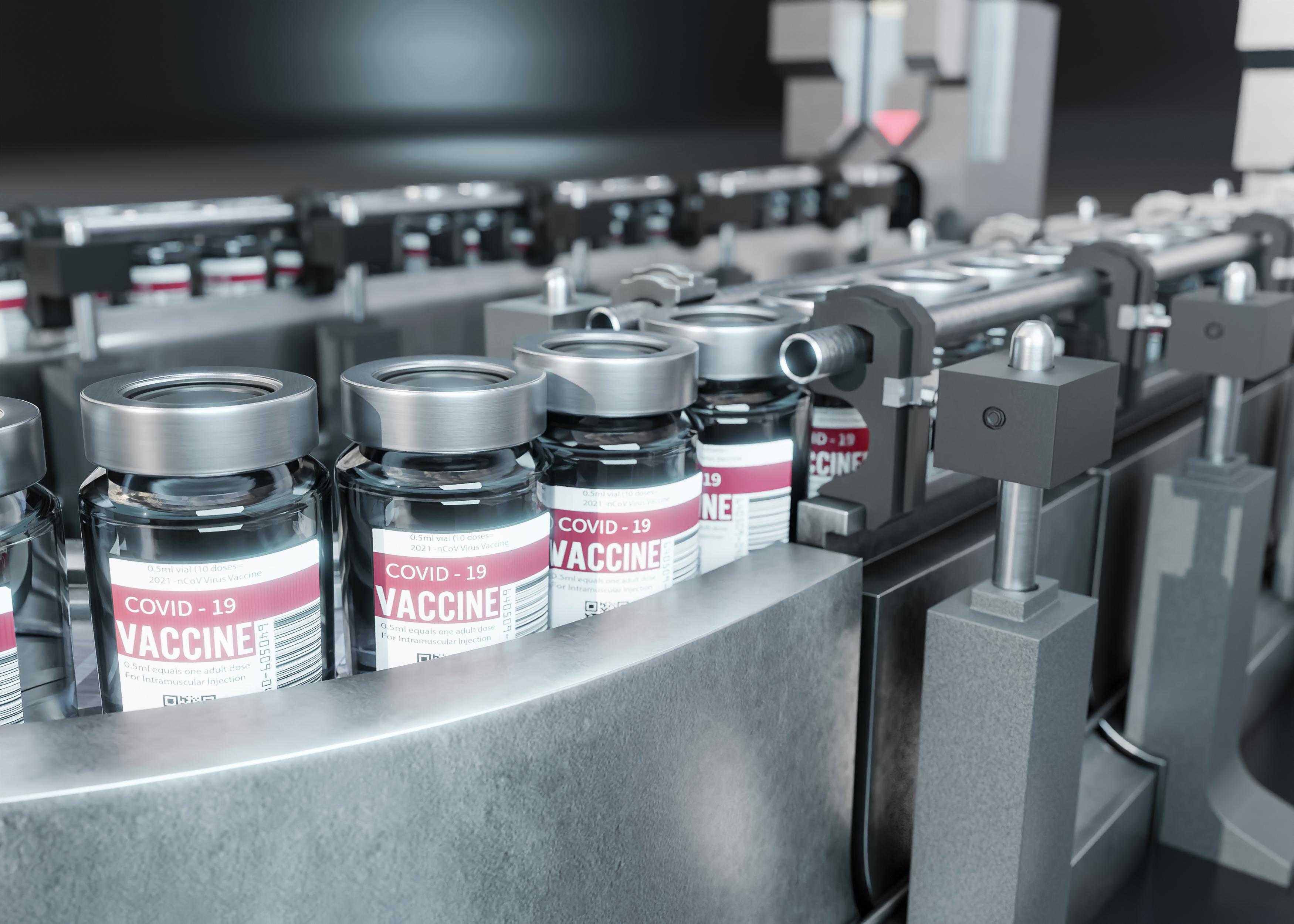
Third Party Manufacturer of Injection: A Complete Guide for Pharma Companies
Third Party Manufacturer of Injection: A Complete Guide for Pharma Companies
The Indian pharmaceutical industry is one of the fastest-growing markets in the world, and injectable medicines play a crucial role in modern healthcare. From antibiotics and analgesics to critical care and specialty injections, the demand for high-quality injectable formulations is increasing every year. In this scenario, choosing a reliablethird party manufacturer of injection has become a smart and cost-effective strategy for pharma companies, startups, and marketers.
This blog explains what a third party manufacturer of injection is, how it works, its benefits, quality standards, and how to select the right manufacturing partner for long-term success.
Growing Demand for Injectable Medicines
Injectables are widely used because of their fast action, high bioavailability, and effectiveness in critical conditions. The demand for injections is increasing in areas such as:
Pain management injections
Anti-diabetic injections
Vitamin and nutritional injections
Oncology and specialty injections
Due to this growing demand, many pharma brands prefer partnering with a trusted injection manufacturer to ensure consistent supply and quality.
Key Advantages of Partnering with Injection Manufacturing Units
1. Cost Efficiency
Setting up a sterile injectable plant requires massive capital investment. By outsourcing, companies eliminate infrastructure costs and reduce operational risks.
2. Faster Market Entry
Established manufacturers already have regulatory approvals and ready-to-use production lines, enabling faster product launches.
3. Regulatory Compliance
Reputed injectable facilities comply with WHO-GMP, ISO, and sometimes , ensuring consistent quality.
4. Focus on Core Business
Pharma companies can concentrate on sales, marketing, and expansion while manufacturing complexities are managed by experts.
5. Scalability
Outsourced production allows easy scale-up or scale-down depending on market demand without financial strain.
Types of Injectable Products Commonly Manufactured
Indian injectable production units handle a wide range of formulations, including:
Antibiotic injections
Analgesics and anti-inflammatory injections
Anti-diabetic injectables
Cardiovascular injections
Multivitamin and nutritional injectables
Oncology and critical care injections
Liquid vials and ampoules
These products are manufactured in various pack sizes and strengths based on client requirements.
Regulatory Standards and Quality Assurance
Quality is non-negotiable in injectable production. Leading Indian manufacturers follow:
WHO-GMP guidelines
Schedule M compliance
ISO 9001 & ISO 14001 standards
Pharmacovigilance systems
In-house quality control laboratories
Each batch undergoes multiple tests such as sterility testing, endotoxin testing, assay, pH checks, and stability studies to ensure safety and efficacy.
Why India Is a Preferred Hub for Injectable Manufacturing
India has gained global recognition for pharmaceutical manufacturing due to several key factors:
Skilled Workforce
India produces a large number of pharmacy graduates, microbiologists, and quality professionals every year.
Advanced Infrastructure
Modern injectable plants in India are equipped with automated filling lines, isolators, and lyophilizers.
Cost Advantage
Manufacturing costs in India are significantly lower compared to Europe and North America, without compromising quality.
Strong Regulatory Framework
Indian pharma manufacturers are regularly audited by global regulatory authorities, enhancing trust and credibility.
Export Capabilities
Many Indian facilities supply injectable products to Africa, Southeast Asia, CIS countries, and the Middle East.
How to Choose the Right Injectable Manufacturing Partner
Selecting the right manufacturing partner is critical for long-term success. Consider the following factors:
Certifications and approvals – Ensure compliance with WHO-GMP and other relevant standards.
Product range – Choose a facility capable of manufacturing your required formulations.
Customization options – Ability to offer brand-specific packaging and labeling.
Quality track record – Review audit reports, client testimonials, and market reputation.
Capacity and scalability – Ensure the unit can meet future demand growth.
Regulatory support – Assistance with dossiers, COA, COPP, and documentation.
Packaging, Branding, and Documentation Support
Most injectable manufacturing partners also provide end-to-end support, including:
Customized labels and cartons
Brand ownership protection
Batch-wise documentation
Stability data
Regulatory dossiers for domestic and export markets
This makes the entire process smooth and hassle-free for pharma companies.
Growing Demand for Injectable Outsourcing
The demand for injectable medicines is increasing due to:
Rising chronic diseases
Growth in hospital-based treatments
Expansion of critical care facilities
Increased demand for faster-acting therapies
As healthcare infrastructure expands in emerging markets, the need for reliable injectable production partners will continue to grow.