Understanding the Outsourced Manufacturing Model for Injectables
Under this arrangement, pharmaceutical companies entrust the production of injectable medicines to specialized units. The products are manufactured under the client’s brand name while fully complying with regulatory and quality norms.
This model is particularly suitable for injectable drugs because:
Setting up sterile plants requires heavy capital investment
Environmental controls must meet extremely high standards
Regulatory approvals and validations demand time and expertise
By collaborating with dependable production partners, companies can lower financial risk and enter markets faster.
Features of Top Third Party Injectable Manufacturers in India
Not all manufacturers are equal, especially when it comes to critical care products. The top third party manufacturing companies in India share some common strengths.
1. WHO-GMP Certified Facilities
Compliance with WHO-GMP standards ensures consistent quality, safety, and efficacy. This certification is often the first requirement for domestic and export markets.
2. Advanced Sterile Manufacturing Units
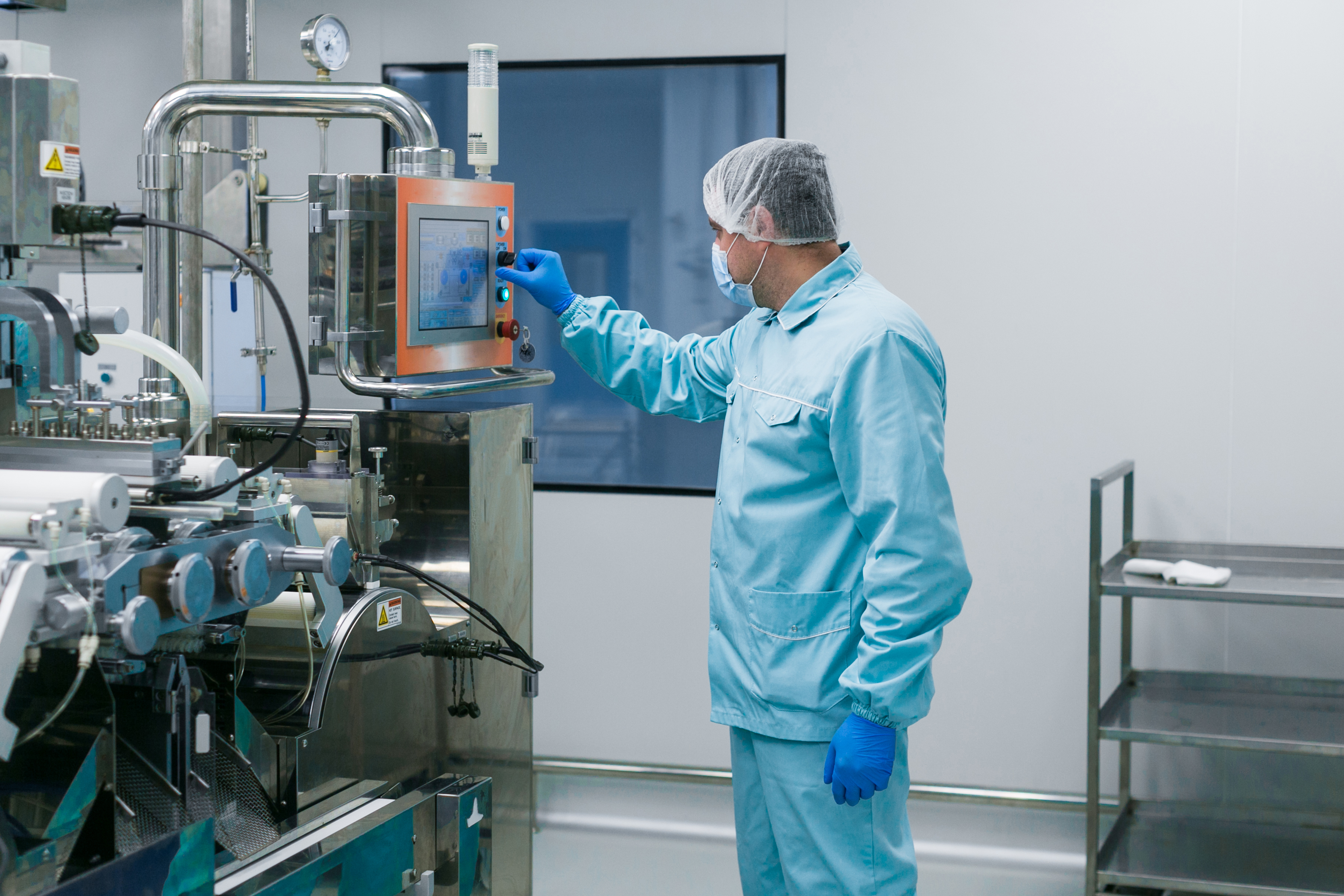
Modern injectable plants use cleanrooms, laminar airflow systems, and automated filling lines to maintain sterility throughout production.
3. Wide Product Portfolio
Leading manufacturers offer a diverse range of critical care injectables, including , liquid injections, , and large volume parenterals.
4. Strong Quality Control Systems
In-house laboratories for microbiological testing, stability studies, and batch validation are essential for injectable manufacturing.
5. Regulatory Documentation Support
Top companies assist clients with COA, COPP, product dossiers, and other regulatory documents, which is especially important for exports.
Injectable Categories Commonly Produced in India
Reputed Indian manufacturers typically cover a wide spectrum of injectable medicines, including:
Advanced antibiotic combinations
ICU-focused anti-infective drugs
Emergency and cardiac formulations
Anti-malarial and anti-fungal injections
Pediatric and neonatal injectables
This range allows pharmaceutical brands to develop a comprehensive portfolio through a single, dependable source.
How to Select the Right Manufacturing Partner
Choosing a production partner is a strategic move that impacts quality and reputation. Key points to evaluate include:
Valid certifications and compliance history
Proven experience with sterile formulations
Consistency in product quality across batches
Capacity, timelines, and delivery reliability
Clear communication and transparent commercial terms
Strong partnerships grow when trust, quality, and communication align.
India’s Contribution to Global Injectable Supply
Indian producers are not limited to serving the local market. Many supply injectable medicines to regions such as Africa, Asia, Latin America, and CIS countries. As compliance with international standards continues to improve, India’s global presence keeps expanding.
Decades of manufacturing experience combined with competitive pricing have made Indian facilities a preferred choice for international pharmaceutical companies.
What the Future Holds for Injectable Production in India
The road ahead looks encouraging. Higher healthcare investment, expanding hospital networks, and increasing awareness about treatment quality are fueling demand. At the same time, manufacturers are adopting automation, improved lyophilization techniques, and more rigorous quality systems.
As more pharmaceutical companies choose asset-light growth strategies, outsourced injectable production is expected to gain even more momentum.
Final Thoughts
India’s injectable manufacturing landscape offers a rare mix of reliability, efficiency, and global acceptance. For pharmaceutical brands planning to strengthen or expand their injectable portfolios, the country provides access to experienced producers and world-class facilities.
A carefully chosen partner not only supports regulatory compliance but also builds long-term credibility in one of the most sensitive areas of healthcare. As demand continues to grow, India’s influence on the future of injectable medicines is set to become even stronger
1. What are critical care injectables?
Critical care injectables are sterile medicines used in emergency and intensive care units (ICUs) to treat severe conditions where quick therapeutic action is required. These include antibiotics, analgesics, emergency medications, and large volume infusions.
2. Why outsource critical care injectable manufacturing?
Outsourcing allows companies to avoid heavy investment in sterile plants, leverage certified facilities, and focus on brand building, distribution, and growth.
3. Are Indian third-party manufacturers globally compliant?
Yes. Many manufacturers operate with WHO-GMP, ISO, and other global certifications, enabling them to serve both domestic and international markets.
4. How do I start a third-party manufacturing business for critical care injectables?
Begin by shortlisting certified partners, finalize contract terms, submit necessary regulatory documents, and then focus on branding, marketing, and distribution.
5. Can small pharma companies benefit from these services?
Absolutely — third-party manufacturing levels the playing field, allowing even small brands to launch high-quality critical care injectable products.